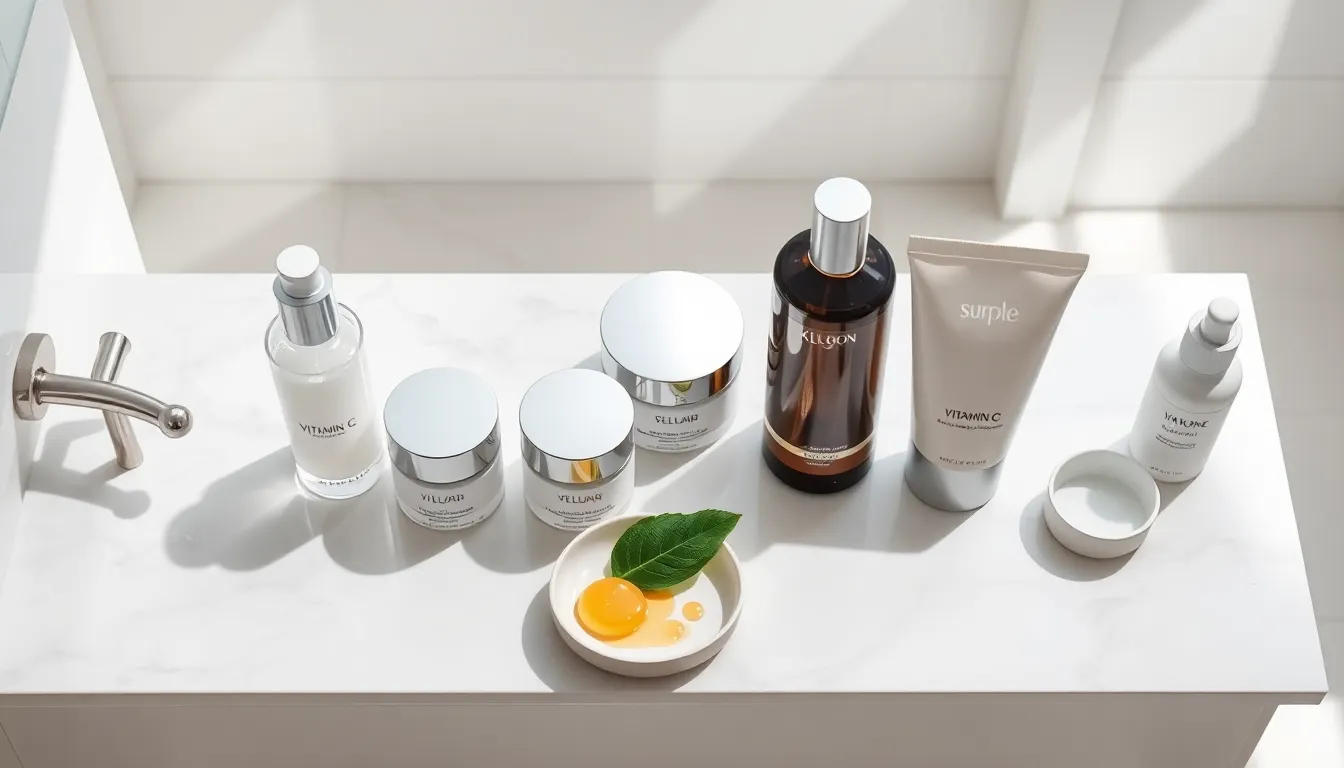
The best skincare routines don’t require dozens of products or hours of effort. They require consistency, the right steps, and products that match your skin’s needs. Whether someone struggles with dryness, oiliness, or signs of aging, a solid routine can transform their skin over time.
Good skin doesn’t happen by accident. It’s built through daily habits that cleanse, protect, and nourish. This guide breaks down the essential steps for morning and night, plus tips for customizing a routine based on skin type. No fluff, just practical advice that works.
Table of Contents
ToggleKey Takeaways
- The best skincare routines prioritize consistency over complexity—stick with your routine for 4-6 weeks to see visible results.
- Morning routines should focus on protection with antioxidant serums and SPF 30+ sunscreen as non-negotiable steps.
- Nighttime is when skin repairs itself, making it the ideal time for active treatments like retinol and chemical exfoliants.
- Customize your skincare routine based on your skin type—oily skin benefits from lightweight formulas, while dry skin needs richer, hydrating products.
- Prevention beats correction: daily sunscreen and regular exfoliation prevent damage that’s harder to fix later.
- Keep sensitive skin routines simple with fragrance-free products and always patch test new additions.
Why a Consistent Skincare Routine Matters
Skincare products need time to work. The skin’s outer layer, the epidermis, renews itself every 28 to 40 days. This means visible results from new products often take four to six weeks to appear. Skipping days or constantly switching products interrupts this process.
Consistency also helps maintain the skin’s protective barrier. This barrier keeps moisture in and irritants out. When people cleanse, moisturize, and protect their skin daily, they strengthen this barrier. A weak barrier leads to dryness, sensitivity, and breakouts.
The best skincare routines become habits. They’re automatic, like brushing teeth. People who stick with their routines see fewer breakouts, more even skin tone, and slower signs of aging. Those who use products sporadically rarely see the same benefits.
Another reason consistency matters: prevention beats correction. It’s easier to maintain healthy skin than to fix damage after it occurs. Daily sunscreen use prevents dark spots and wrinkles. Regular exfoliation keeps pores clear. These small daily actions add up to significant long-term results.
Essential Steps for Your Morning Routine
Morning skincare routines prepare the skin for the day ahead. They focus on protection and hydration. Here’s what the best skincare routines include each morning:
Cleanser
A gentle cleanser removes overnight oil and any residue from nighttime products. Many people skip this step, but it helps serums and moisturizers absorb better. Those with dry skin can use just water in the morning. Oily skin types benefit from a foaming or gel cleanser.
Toner (Optional)
Toners balance the skin’s pH after cleansing. They also add a layer of hydration. Hydrating toners with hyaluronic acid work well for most skin types. Those with oily or acne-prone skin might prefer a toner with salicylic acid or niacinamide.
Serum
Morning serums typically contain antioxidants. Vitamin C is the most popular choice. It fights free radical damage from pollution and UV exposure. It also brightens skin tone over time. Apply a few drops to the face and neck after toning.
Moisturizer
Even oily skin needs moisture. A lightweight, non-comedogenic moisturizer hydrates without clogging pores. Dry skin types can use richer creams. Look for ingredients like ceramides, glycerin, or squalane.
Sunscreen
This step is non-negotiable. Sunscreen prevents premature aging, dark spots, and skin cancer. Dermatologists recommend SPF 30 or higher, applied as the last step in the morning routine. Reapply every two hours when outdoors.
Building an Effective Nighttime Routine
Nighttime is when skin repairs itself. The best skincare routines take advantage of this natural process. Evening products tend to be more active and treatment-focused.
Double Cleanse
The first cleanse removes makeup, sunscreen, and surface dirt. Oil-based cleansers or micellar water work well for this step. The second cleanse with a water-based cleanser actually cleans the skin. This two-step method ensures pores stay clear.
Exfoliation (2-3 Times Per Week)
Exfoliants remove dead skin cells that make skin look dull. Chemical exfoliants like AHAs (glycolic acid, lactic acid) and BHAs (salicylic acid) are gentler than physical scrubs. They improve texture and help other products penetrate better. Don’t overdo it, two to three times per week is enough for most people.
Treatment Serums
Nighttime is ideal for active ingredients. Retinol speeds cell turnover and reduces wrinkles. Niacinamide minimizes pores and controls oil. Peptides support collagen production. Start with one active and build tolerance before adding others.
Eye Cream
The skin around the eyes is thinner and more delicate. A dedicated eye cream can address dark circles, puffiness, and fine lines. Pat it gently around the orbital bone, don’t rub.
Night Moisturizer or Sleeping Mask
Night creams are typically thicker than daytime moisturizers. They lock in all the previous products and provide deep hydration while sleeping. Those with very dry skin can add a sleeping mask once or twice a week for extra moisture.
How to Customize Your Routine for Your Skin Type
The best skincare routines are personalized. What works for one person may irritate another. Skin type determines which products and ingredients to prioritize.
Oily Skin
Oily skin produces excess sebum. The best skincare routines for oily skin include:
- Foaming or gel cleansers
- Lightweight, oil-free moisturizers
- Niacinamide to control oil production
- Salicylic acid for pore clarity
- Mattifying sunscreens
Avoid heavy creams and occlusive ingredients that trap oil.
Dry Skin
Dry skin lacks moisture and often feels tight. Focus on:
- Cream or milk cleansers
- Hydrating toners with hyaluronic acid
- Rich moisturizers with ceramides and shea butter
- Facial oils as a final step
- Gentle exfoliation with lactic acid
Avoid foaming cleansers and alcohol-based products that strip moisture.
Combination Skin
Combination skin has oily areas (usually the T-zone) and dry patches. The best skincare routines for combination skin balance both needs:
- Gentle gel cleansers
- Lightweight moisturizers
- Multi-masking (different masks for different areas)
- Niacinamide for overall balance
Sensitive Skin
Sensitive skin reacts easily to products and environmental factors. Keep routines simple:
- Fragrance-free products
- Gentle, non-foaming cleansers
- Soothing ingredients like centella asiatica and aloe
- Mineral sunscreens (zinc oxide, titanium dioxide)
- Patch test new products before full use
Introduce new products one at a time. Wait two weeks between additions to identify any reactions.