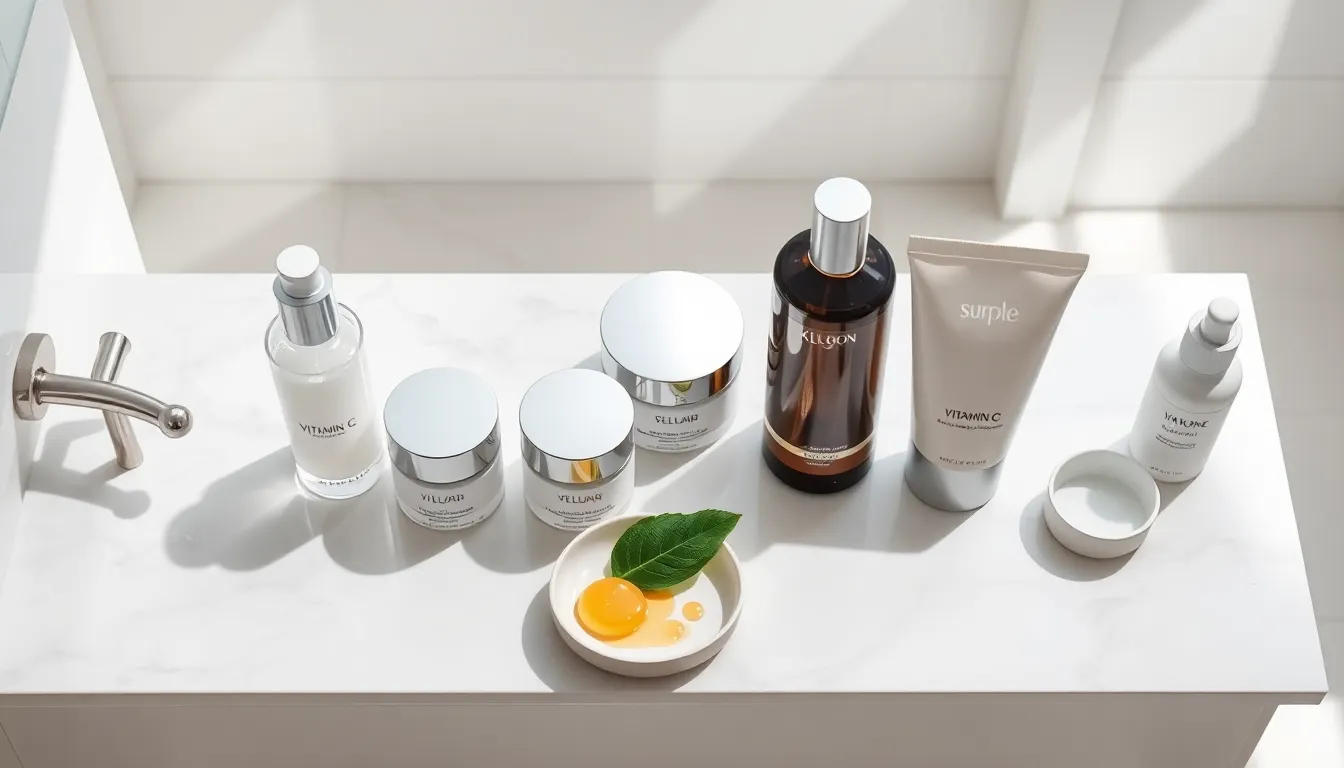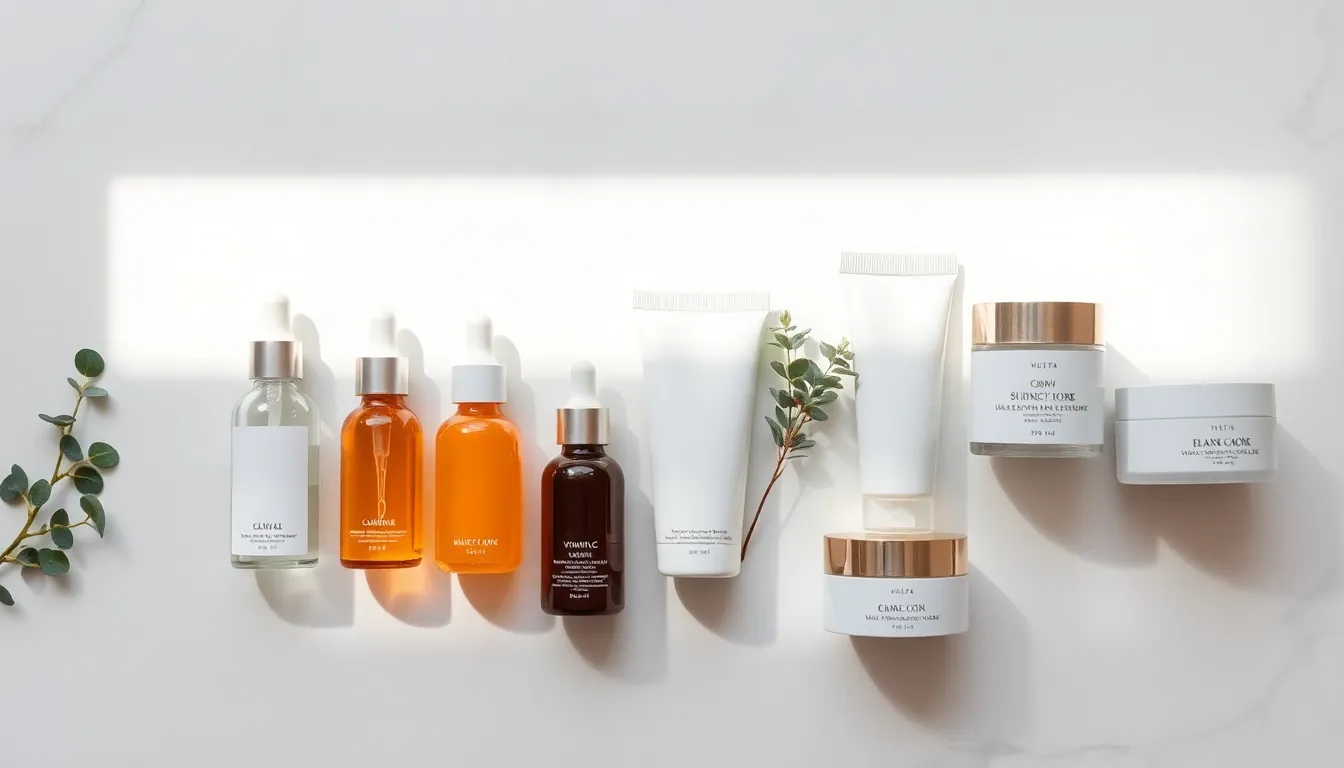
Finding the right skincare routines examples can feel overwhelming. With countless products and conflicting advice, many people struggle to build a regimen that actually works. The truth is, effective skincare doesn’t require a 12-step process or expensive serums. It requires consistency, the right products for your skin type, and a clear understanding of what each step accomplishes.
This guide breaks down practical skincare routines examples for morning and night, plus specific routines for oily and dry skin. Whether someone is starting from scratch or refining an existing routine, these examples provide a solid foundation for healthier, clearer skin.
Table of Contents
ToggleKey Takeaways
- Effective skincare routines examples don’t require complicated steps—consistency and the right products for your skin type matter most.
- A simple morning routine (cleanser, toner, serum, moisturizer, sunscreen) takes just three minutes and protects skin all day.
- Nighttime routines focus on repair with active ingredients like retinol and exfoliants, delivering visible results within weeks.
- Oily skin still needs moisturizer—skipping it can actually trigger more oil production.
- Start with the basics (cleanser, moisturizer, sunscreen) and add new products one at a time, waiting 2-3 weeks between additions.
- Most skincare products need 4-6 weeks to show results, so patience and consistency beat switching products too quickly.
Simple Morning Skincare Routine
A morning skincare routine sets the stage for the entire day. It protects skin from environmental damage and creates a smooth base for makeup. Here’s a straightforward morning routine that works for most skin types:
Step 1: Cleanser
Start with a gentle cleanser to remove overnight oil and product residue. A sulfate-free formula works well for most people. Those with very dry skin can skip the cleanser and rinse with lukewarm water instead.
Step 2: Toner (Optional)
Toners help balance the skin’s pH and prepare it to absorb other products. Look for alcohol-free options with hydrating ingredients like hyaluronic acid or niacinamide.
Step 3: Serum
Morning serums typically focus on antioxidants. Vitamin C serums are popular because they brighten skin and fight free radical damage from pollution and UV rays.
Step 4: Moisturizer
Even oily skin needs moisture. A lightweight, non-comedogenic moisturizer locks in hydration without clogging pores. Gel formulas work great for oily skin, while cream formulas suit dry skin better.
Step 5: Sunscreen
Sunscreen is non-negotiable. SPF 30 or higher protects against premature aging and skin cancer. Apply it as the final step, every single day, even when it’s cloudy.
This five-step morning routine takes about three minutes and provides solid protection throughout the day.
Essential Nighttime Skincare Routine
Nighttime skincare routines examples focus on repair and rejuvenation. Skin cells regenerate faster during sleep, making this the ideal time for treatment products. Here’s a night routine that maximizes these benefits:
Step 1: Makeup Remover or Cleansing Oil
Double cleansing starts with an oil-based product. It dissolves sunscreen, makeup, and excess sebum more effectively than regular cleansers alone.
Step 2: Water-Based Cleanser
Follow up with a gentle water-based cleanser. This removes any remaining residue and ensures pores are clean before applying treatment products.
Step 3: Exfoliant (2-3 Times Per Week)
Chemical exfoliants like AHAs (glycolic acid, lactic acid) or BHAs (salicylic acid) remove dead skin cells. They improve texture and help other products penetrate better. Don’t exfoliate every night, overuse causes irritation.
Step 4: Treatment Serum
Nighttime is perfect for active ingredients. Retinol promotes cell turnover and reduces fine lines. Niacinamide helps with pores and uneven tone. Hyaluronic acid draws moisture into the skin.
Step 5: Eye Cream
The under-eye area is thin and shows signs of aging first. A dedicated eye cream addresses dark circles, puffiness, and fine lines.
Step 6: Night Cream or Sleeping Mask
Finish with a rich moisturizer or overnight mask. These products lock in all the previous layers and provide intense hydration while sleeping.
This nighttime routine takes about five minutes and delivers visible results within weeks of consistent use.
Skincare Routine for Oily Skin
Oily skin produces excess sebum, leading to shine, enlarged pores, and frequent breakouts. The right skincare routines examples for oily skin control oil production without stripping the skin barrier.
Morning Routine for Oily Skin:
- Gel or foam cleanser with salicylic acid
- Alcohol-free toner with witch hazel or niacinamide
- Lightweight vitamin C serum
- Oil-free gel moisturizer
- Mattifying sunscreen (SPF 30+)
Evening Routine for Oily Skin:
- Micellar water to remove makeup
- Salicylic acid cleanser
- BHA exfoliant (2-3 times weekly)
- Niacinamide serum to control oil and minimize pores
- Lightweight, non-comedogenic moisturizer
Key Ingredients for Oily Skin:
- Salicylic acid (unclogs pores)
- Niacinamide (regulates sebum)
- Clay masks (absorbs excess oil)
- Hyaluronic acid (hydrates without adding oil)
One common mistake? Skipping moisturizer. When oily skin becomes dehydrated, it actually produces more oil to compensate. Consistent hydration with oil-free products helps balance sebum production over time.
Skincare Routine for Dry Skin
Dry skin lacks natural oils and often feels tight, flaky, or rough. Skincare routines examples for dry skin prioritize intense hydration and barrier repair.
Morning Routine for Dry Skin:
- Cream or milk cleanser (or just water)
- Hydrating toner with hyaluronic acid
- Vitamin C serum in a hydrating base
- Rich cream moisturizer with ceramides
- Hydrating sunscreen (SPF 30+)
Evening Routine for Dry Skin:
- Cleansing balm or oil
- Hydrating cream cleanser
- Lactic acid exfoliant (1-2 times weekly, gentler than glycolic)
- Hydrating serum with hyaluronic acid or squalane
- Eye cream with peptides
- Thick night cream or facial oil
Key Ingredients for Dry Skin:
- Hyaluronic acid (attracts and holds moisture)
- Ceramides (repair skin barrier)
- Squalane (mimics natural skin oils)
- Shea butter and glycerin (deep hydration)
People with dry skin should avoid foaming cleansers and products with alcohol. These strip away natural oils and worsen dryness. Layering multiple hydrating products, sometimes called the “7 skin method”, works especially well for very dry skin.
Tips for Building Your Ideal Routine
The best skincare routines examples serve as starting points, not rigid rules. Here’s how to build a routine that actually works:
Start Simple
Begin with cleanser, moisturizer, and sunscreen. Add new products one at a time, waiting 2-3 weeks between additions. This approach makes it easy to identify what works and what causes reactions.
Know Your Skin Type
Oily, dry, combination, sensitive, or normal, each type has different needs. Many people misidentify their skin type. Dehydrated skin can look oily. Sensitized skin isn’t the same as naturally sensitive skin. Pay attention to how skin feels throughout the day.
Be Patient
Most skincare products need 4-6 weeks to show results. Retinol can take 3-6 months. Switching products too quickly prevents seeing actual benefits.
Don’t Mix Certain Actives
Some ingredients don’t play well together. Avoid combining:
- Retinol with vitamin C (use one in the morning, one at night)
- AHAs/BHAs with retinol (too irritating together)
- Niacinamide with vitamin C at very high concentrations
Listen to Your Skin
If a product causes redness, stinging, or breakouts, stop using it. More products don’t always mean better results. Sometimes the simplest skincare routines examples produce the healthiest skin.
Consistency Beats Perfection
A basic routine done every day beats an elaborate routine done occasionally. Building habits matters more than buying expensive products.