
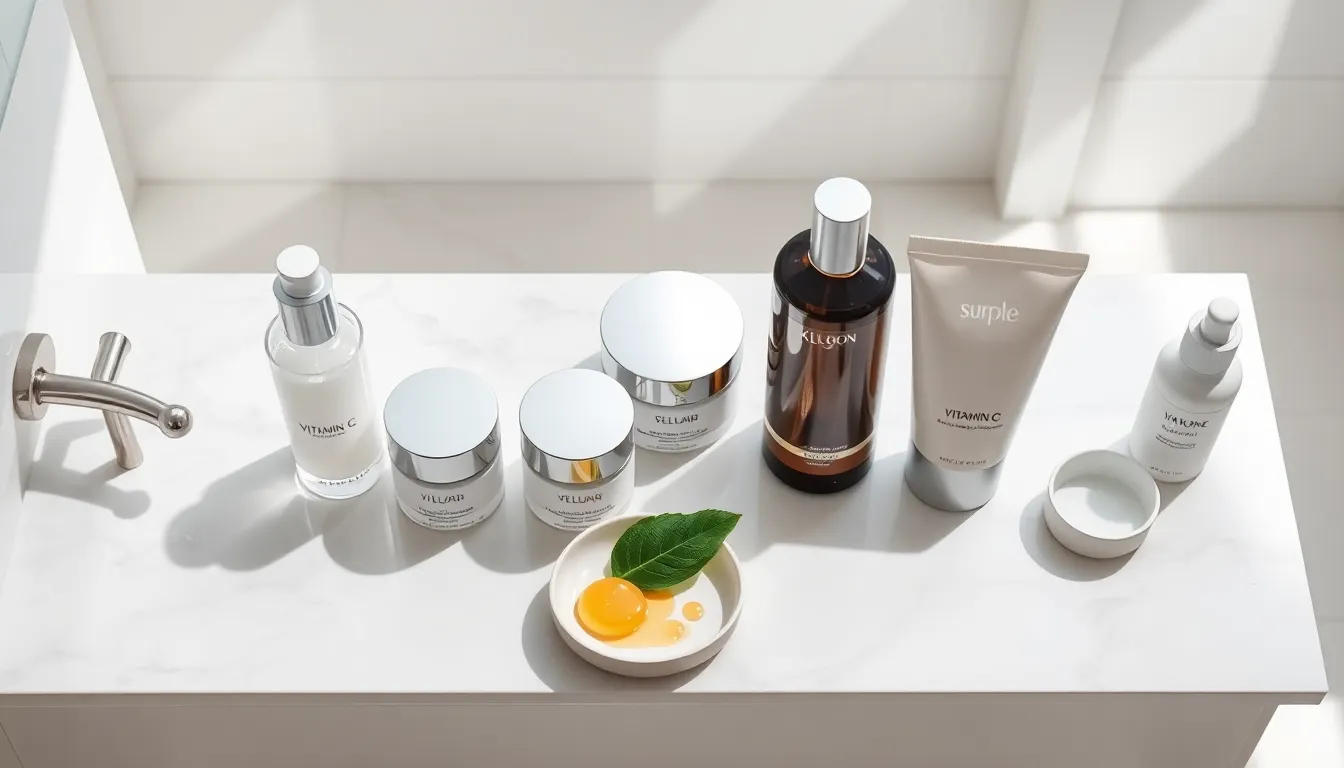
Finding the right skincare routine ideas can feel like searching for a needle in a haystack. With countless products and conflicting advice, where does someone even start? The good news: building an effective skincare routine doesn’t require a chemistry degree or a celebrity budget.
A solid skincare routine addresses individual skin needs while keeping things simple enough to stick with long-term. Whether someone struggles with dryness, breakouts, or just wants that healthy glow, the right approach makes all the difference. This guide breaks down practical skincare routine ideas that actually work, from morning essentials to nighttime rituals.
Table of Contents
ToggleKey Takeaways
- Identify your skin type first—oily, dry, combination, sensitive, or normal—to choose skincare routine ideas that deliver the best results.
- Morning routines should focus on protection with cleanser, serum (like Vitamin C), moisturizer, and daily SPF 30+ sunscreen.
- Nighttime skincare routine ideas emphasize repair through double cleansing, exfoliation 2-3 times weekly, and treatment products like retinol.
- Tailor your routine to specific concerns such as acne, hyperpigmentation, or dryness for faster, more noticeable improvements.
- Consistency matters most—a simple routine done daily outperforms an elaborate one done sporadically.
- Give skincare products 4-6 weeks to show results and introduce new products one at a time to identify what works.
Understanding Your Skin Type
Before diving into any skincare routine ideas, knowing one’s skin type is essential. The wrong products can make existing problems worse or create new ones.
Oily skin produces excess sebum, leaving a shiny appearance, especially on the forehead, nose, and chin. Pores often appear larger, and breakouts happen frequently.
Dry skin feels tight, rough, or flaky. It may look dull and show fine lines more easily. This skin type needs extra hydration year-round.
Combination skin is exactly what it sounds like: oily in some areas (usually the T-zone) and dry in others (typically cheeks). Many people fall into this category.
Sensitive skin reacts easily to products, weather, or stress. Redness, itching, and stinging are common complaints.
Normal skin is well-balanced, not too oily, not too dry. It rarely experiences breakouts or sensitivity.
A simple test: wash the face with a gentle cleanser, wait an hour without applying any products, then observe. Shiny all over? Likely oily. Tight and uncomfortable? Probably dry. Shiny T-zone but dry cheeks? That’s combination skin.
Understanding skin type helps narrow down which skincare routine ideas will deliver the best results.
Morning Skincare Routine Essentials
Morning skincare routine ideas focus on protection and preparation for the day ahead. Here’s a straightforward approach that works for most skin types.
Cleanser
Start with a gentle cleanser to remove overnight oil and any residue from nighttime products. Those with dry or sensitive skin might prefer just rinsing with lukewarm water. Oily skin benefits from a foaming or gel cleanser.
Toner (Optional)
Toners balance the skin’s pH and prep it for other products. Hydrating toners work well for dry skin, while those with salicylic acid help oily or acne-prone types. Skip this step if it feels unnecessary.
Serum
Serums deliver concentrated active ingredients. Vitamin C is a popular morning choice, it brightens skin and provides antioxidant protection against environmental damage. Apply a few drops and let it absorb fully.
Moisturizer
Even oily skin needs moisture. Lightweight, gel-based formulas suit oilier types, while cream-based options work better for dry skin. Moisturizer locks in hydration and creates a smooth base for sunscreen.
Sunscreen
This step is non-negotiable. UV damage causes premature aging, hyperpigmentation, and increases skin cancer risk. Use a broad-spectrum SPF 30 or higher every single day, yes, even on cloudy days or when staying indoors near windows.
These morning skincare routine ideas take about five minutes once they become habit.
Nighttime Skincare Routine Steps
Nighttime skincare routine ideas emphasize repair and renewal. Skin does its heavy lifting while we sleep, making this the perfect time for treatment products.
Double Cleanse
Start with an oil-based cleanser or micellar water to dissolve makeup, sunscreen, and daily grime. Follow with a water-based cleanser for a thorough clean. This two-step process prevents clogged pores and allows other products to penetrate better.
Exfoliation (2-3 Times Per Week)
Exfoliating removes dead skin cells that make skin look dull. Chemical exfoliants like AHAs (glycolic acid, lactic acid) or BHAs (salicylic acid) are gentler than physical scrubs. Don’t overdo it, two to three times weekly is plenty.
Treatment Products
Nighttime is ideal for active ingredients like retinol, which increases cell turnover and addresses fine lines, uneven texture, and breakouts. Start slowly, once or twice a week, and build tolerance over time. Retinol makes skin sensitive to sunlight, so nighttime use is essential.
Eye Cream
The skin around the eyes is thinner and shows age faster. A dedicated eye cream addresses concerns like dark circles, puffiness, or fine lines. Pat gently with the ring finger to avoid tugging.
Night Cream or Sleeping Mask
Finish with a richer moisturizer than used in the morning. Night creams often contain ingredients like hyaluronic acid, peptides, or ceramides. Sleeping masks provide an extra hydration boost for dry skin types.
These nighttime skincare routine ideas support the skin’s natural repair process.
Tailoring Your Routine to Common Skin Concerns
Generic skincare routine ideas need adjustments based on specific concerns. Here’s how to modify the basics.
Acne-Prone Skin
Look for products labeled “non-comedogenic” (won’t clog pores). Salicylic acid cleansers help clear existing breakouts. Benzoyl peroxide spot treatments kill acne-causing bacteria. Niacinamide serums reduce inflammation and regulate oil production. Avoid heavy creams that might trap bacteria.
Hyperpigmentation and Dark Spots
Vitamin C, niacinamide, and alpha arbutin help fade discoloration over time. Consistent sunscreen use prevents spots from darkening. Retinol speeds cell turnover, bringing fresh skin to the surface faster. Patience matters here, results take weeks or months.
Aging and Fine Lines
Retinol remains the gold standard for anti-aging. Peptide serums support collagen production. Hyaluronic acid plumps skin temporarily by drawing in moisture. Sunscreen prevents further damage, most visible aging comes from UV exposure, not time.
Dryness and Dehydration
Layer hydrating products: a hyaluronic acid serum under a rich moisturizer. Look for ceramides, which repair the skin barrier. Avoid foaming cleansers that strip natural oils. Consider a humidifier during dry winter months.
Adjusting skincare routine ideas to address specific issues produces faster, more noticeable results.
Simple Tips for Skincare Success
Even the best skincare routine ideas fail without proper execution. These tips maximize results.
Consistency beats perfection. A basic routine done daily outperforms an elaborate one done sporadically. Pick products that feel good enough to use every single day.
Introduce new products slowly. Add one new product at a time and wait two weeks before adding another. This makes it easy to identify what works, and what causes problems.
Apply products thinnest to thickest. Serums go before moisturizers. Oils go last. This order ensures each product absorbs properly.
Don’t touch your face. Hands carry bacteria and oils that transfer to skin with every touch. Breaking this habit reduces breakouts.
Stay hydrated and get enough sleep. No product replaces what happens internally. Drink water. Aim for seven to eight hours of sleep. Skin reflects overall health.
Read ingredient lists. Marketing claims mean little. Learn to spot helpful ingredients (hyaluronic acid, niacinamide, retinol) and potential irritants (fragrance, alcohol at the top of the list).
Give products time. Most skincare takes four to six weeks to show results. Jumping between products prevents any of them from working.
These simple habits transform skincare routine ideas into visible improvements.


