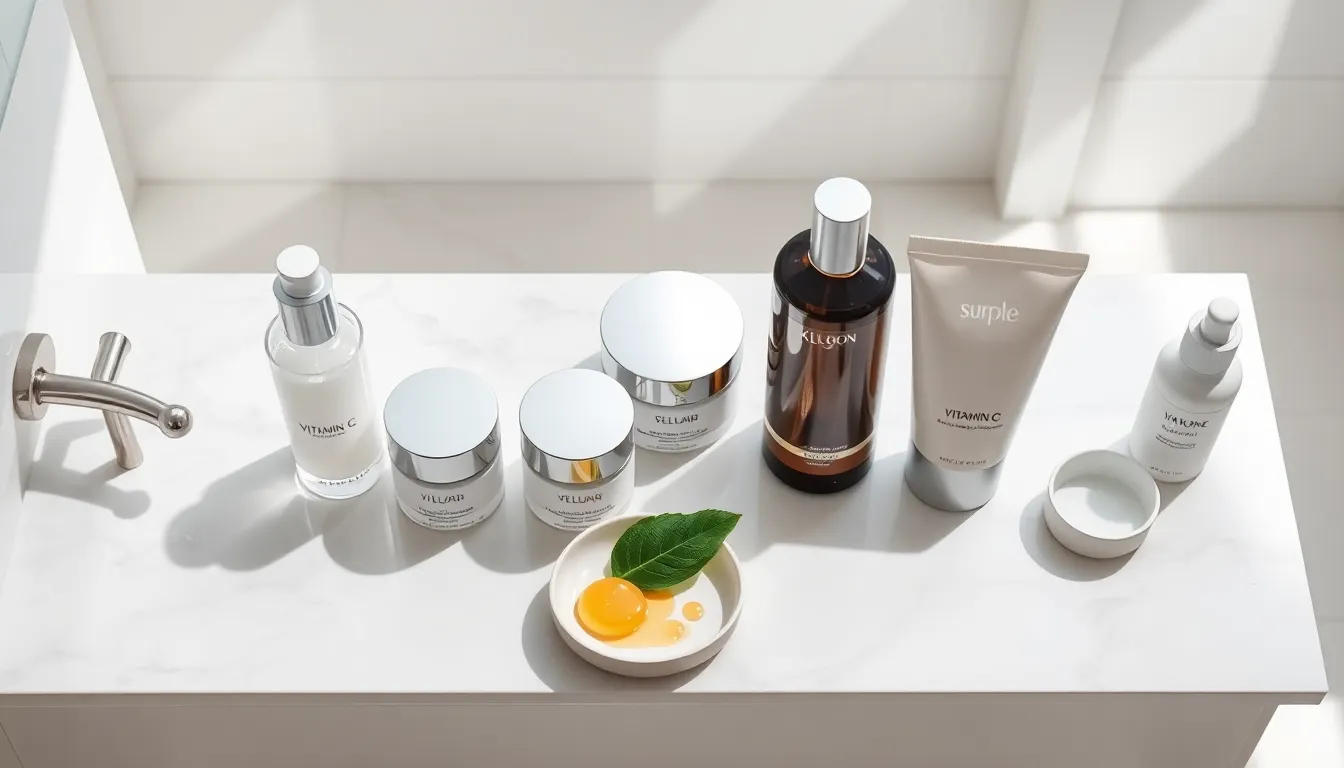
Skincare routine strategies help people achieve healthy, glowing skin through consistent daily habits. A well-designed skincare routine addresses individual skin concerns while preventing future damage. Many people struggle to build effective routines because they don’t understand their skin type or the products that work best for them.
The right skincare routine strategies can transform dull, tired skin into a radiant complexion. This guide covers essential steps for morning and nighttime routines, explains how to identify skin types, and offers tips for adjusting products throughout the year. Whether someone is starting from scratch or refining an existing routine, these strategies provide a clear path to better skin.
Table of Contents
ToggleKey Takeaways
- Identify your skin type first—normal, dry, oily, combination, or sensitive—to build skincare routine strategies that actually work for you.
- Morning routines should focus on protection with antioxidant serums, moisturizer, and daily broad-spectrum SPF 30 or higher.
- Nighttime skincare routine strategies prioritize repair, using active ingredients like retinol and chemical exfoliants while your skin regenerates during sleep.
- Double cleansing at night removes makeup, sunscreen, and impurities to create a clean base for treatment products.
- Adjust your skincare routine seasonally—use richer products in winter and lighter formulas in summer to match your skin’s changing needs.
- Consistency is essential; expect visible results from new skincare routine strategies within four to six weeks.
Understanding Your Skin Type
Every effective skincare routine strategy starts with knowing one’s skin type. There are five main categories: normal, dry, oily, combination, and sensitive. Each type responds differently to products and requires specific care approaches.
Normal skin maintains balanced oil production and rarely experiences breakouts or irritation. People with normal skin can use most products without adverse reactions.
Dry skin feels tight, may appear flaky, and often looks dull. This skin type needs hydrating ingredients like hyaluronic acid and ceramides. Heavy moisturizers work well here.
Oily skin produces excess sebum, leading to shine and enlarged pores. Lightweight, oil-free products help control this without stripping the skin. Salicylic acid and niacinamide are excellent choices for oily skin types.
Combination skin shows oily characteristics in the T-zone (forehead, nose, chin) while the cheeks remain dry or normal. This type requires a balanced approach, sometimes using different products on different areas.
Sensitive skin reacts easily to products, environmental factors, or stress. Redness, itching, and burning are common signs. Fragrance-free, gentle formulas with soothing ingredients like aloe vera and chamomile work best.
To determine skin type, wash the face with a gentle cleanser and wait one hour without applying any products. Observe how the skin feels and looks. This simple test reveals natural oil production patterns and helps guide skincare routine strategies going forward.
Building a Morning Skincare Routine
Morning skincare routine strategies focus on protection and preparation for the day ahead. The goal is to create a barrier against environmental stressors like UV rays, pollution, and free radicals.
Step 1: Cleanse
Start with a gentle cleanser to remove overnight oil buildup and any residue from nighttime products. A foaming cleanser works well for oily skin, while cream cleansers suit dry skin better. This step shouldn’t take more than 60 seconds.
Step 2: Tone
Toners balance the skin’s pH and prep it for better product absorption. Look for hydrating toners with ingredients like glycerin or rose water. Avoid alcohol-based toners, they dry out the skin.
Step 3: Apply Serum
Morning serums should contain antioxidants like vitamin C. These protect against environmental damage and brighten the complexion. Apply a few drops and press gently into the skin.
Step 4: Moisturize
Even oily skin needs moisture. Choose a lightweight, gel-based formula for oily types and richer creams for dry skin. Moisturizers lock in hydration and create a smooth base for makeup.
Step 5: Sunscreen
This is non-negotiable. Sunscreen prevents premature aging, dark spots, and skin cancer. Use a broad-spectrum SPF 30 or higher every single day, yes, even on cloudy days and during winter. Apply it as the final step, about 15 minutes before going outside.
These morning skincare routine strategies take about five to ten minutes but deliver significant long-term benefits.
Creating an Effective Nighttime Routine
Nighttime skincare routine strategies emphasize repair and renewal. Skin cells regenerate faster during sleep, making this the ideal time for treatment products.
Step 1: Double Cleanse
Start with an oil-based cleanser to dissolve makeup, sunscreen, and excess sebum. Follow with a water-based cleanser to remove remaining impurities. Double cleansing ensures a truly clean canvas for active ingredients.
Step 2: Exfoliate (2-3 Times Per Week)
Exfoliation removes dead skin cells and promotes cell turnover. Chemical exfoliants like AHAs (glycolic acid, lactic acid) and BHAs (salicylic acid) work better than physical scrubs for most people. Don’t overdo it, two to three times weekly is enough.
Step 3: Apply Treatment Products
Nighttime is perfect for active ingredients. Retinol boosts collagen production and reduces fine lines. Niacinamide minimizes pores and evens skin tone. Peptides support skin structure. Start slowly with potent actives and increase frequency as the skin adjusts.
Step 4: Eye Cream
The delicate eye area needs special attention. Eye creams address concerns like dark circles, puffiness, and crow’s feet. Pat gently with the ring finger, never tug or rub.
Step 5: Night Moisturizer or Sleeping Mask
Night creams tend to be thicker than daytime versions. They provide intense hydration while the skin repairs itself. Sleeping masks offer an extra boost of moisture for particularly dry skin.
Consistent nighttime skincare routine strategies yield visible results within four to six weeks. Patience matters, skin needs time to respond to new products.
Adjusting Your Routine for Seasonal Changes
Smart skincare routine strategies adapt to seasonal shifts. Temperature, humidity, and sun exposure change throughout the year, and routines should change too.
Winter Adjustments
Cold air and indoor heating strip moisture from the skin. Switch to creamier cleansers and richer moisturizers during winter months. Add a hydrating serum with hyaluronic acid. Consider using a humidifier at home to add moisture back into the air. Don’t skip sunscreen, UV rays still penetrate clouds and reflect off snow.
Spring Transitions
As weather warms, gradually lighten products. The skin may need less heavy moisturizers but more allergy protection. Spring is a good time to incorporate brightening ingredients after winter dullness. Increase exfoliation slightly to shed dry, dead skin accumulated over winter.
Summer Strategies
Heat and humidity increase oil production. Switch to gel moisturizers and lightweight formulas. Increase sunscreen application, reapply every two hours when spending time outdoors. Antioxidant serums become even more important to combat increased sun exposure. Keep blotting papers handy for midday shine.
Fall Preparation
Fall offers the perfect window to repair summer sun damage. Introduce retinol or increase its strength. The reduced UV exposure makes skin less sensitive to these active ingredients. Begin transitioning back to richer moisturizers as temperatures drop.
Listening to the skin matters most. Some people need major seasonal adjustments: others need only minor tweaks. Effective skincare routine strategies respond to what the skin actually needs, not what the calendar says.