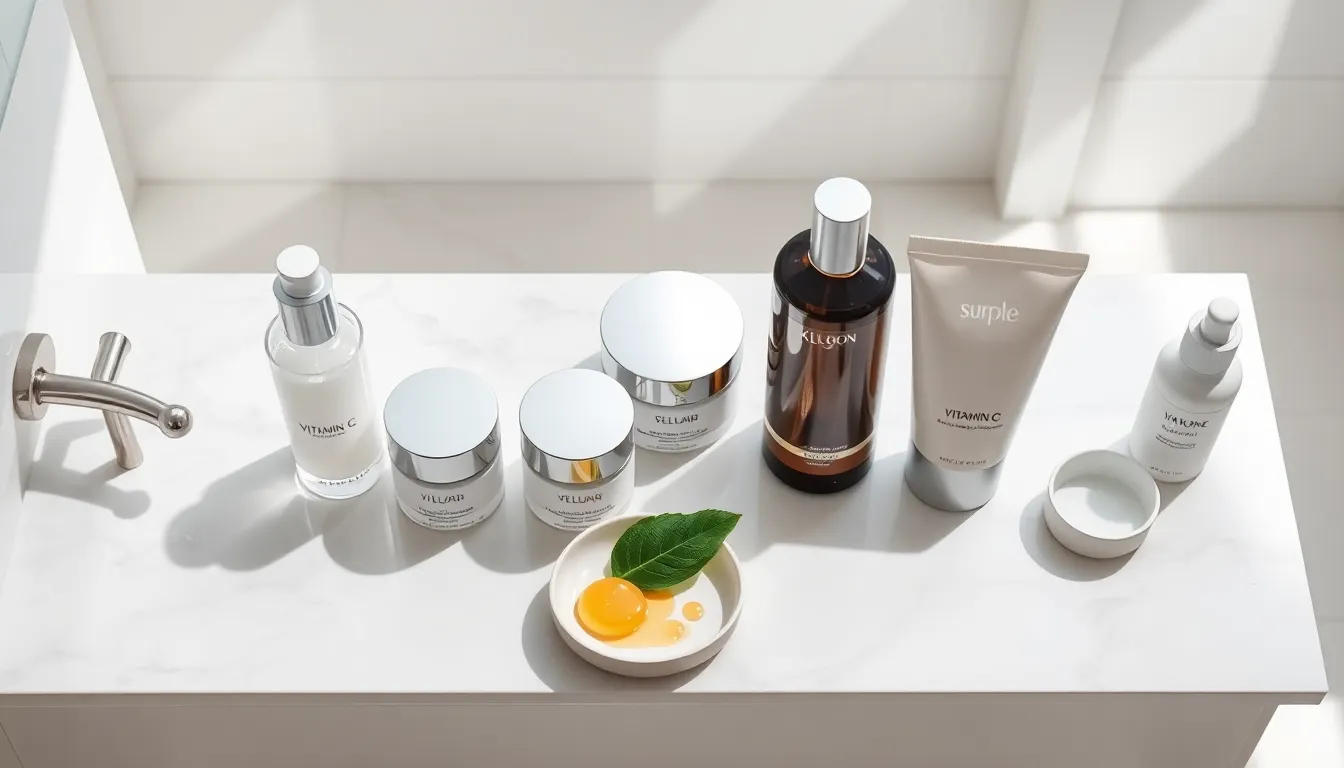
Great skincare routines and techniques start with understanding what your skin actually needs. Most people skip this step. They grab products based on trends or packaging, then wonder why their skin looks tired or breaks out. The truth? A solid routine doesn’t require ten products or expensive serums. It requires the right steps, done consistently, with proper technique.
This guide breaks down how to identify your skin type, build an effective daily routine, and apply products the right way. Whether someone is starting from scratch or refining an existing regimen, these principles will help create lasting results.
Table of Contents
ToggleKey Takeaways
- Identify your skin type first—effective skincare routines and techniques depend on knowing whether your skin is oily, dry, combination, normal, or sensitive.
- Follow a consistent morning routine of cleanse, serum, moisturize, and sunscreen (SPF 30+) to protect against UV damage and environmental stressors.
- Double cleanse at night to remove makeup and sunscreen, then apply treatment products like retinoids when your skin regenerates best.
- Apply products from thinnest to thickest consistency on damp skin, using gentle pressing motions rather than rubbing to maximize absorption.
- Start with three core steps and add products gradually—the best skincare routines fit your lifestyle and become sustainable habits.
- Give products 4-6 weeks of consistent use before judging results, and adjust your routine seasonally as your skin’s needs change.
Understanding Your Skin Type
Every effective skincare routine begins with one question: what skin type is being treated?
Skin types fall into five main categories:
- Oily skin produces excess sebum, often appears shiny, and is prone to enlarged pores and breakouts.
- Dry skin feels tight, may flake or crack, and often looks dull without proper hydration.
- Combination skin shows oiliness in the T-zone (forehead, nose, chin) while cheeks stay dry or normal.
- Normal skin maintains balance, not too oily, not too dry, with minimal sensitivity.
- Sensitive skin reacts easily to products or environmental factors, often showing redness, stinging, or irritation.
To determine skin type, a simple test works well. Wash the face with a gentle cleanser, pat dry, and wait one hour without applying any products. Check how the skin feels and looks. Oily skin will show shine. Dry skin will feel tight. Combination skin will display both characteristics in different areas.
Knowing skin type matters because it dictates which skincare routines and techniques will actually work. Someone with oily skin using heavy creams will likely see more breakouts. A person with dry skin using harsh, oil-stripping products will experience more flaking. Match the routine to the skin type, and the results follow.
The Essential Steps of a Daily Skincare Routine
Consistent daily care forms the backbone of healthy skin. A complete skincare routine includes both morning and evening steps, each serving different purposes.
Morning Routine Basics
Morning skincare routines focus on protection and preparation for the day ahead.
Step 1: Cleanse, Use a gentle cleanser to remove overnight oil and sweat. Avoid harsh formulas that strip the skin barrier. A quick 30-second wash does the job.
Step 2: Tone (optional), Toners help balance pH levels and prep skin to absorb other products. Those with oily or acne-prone skin often benefit most from this step.
Step 3: Serum, Apply a vitamin C serum or antioxidant formula. These protect against environmental damage and brighten skin over time.
Step 4: Moisturize, Even oily skin needs moisture. Choose lightweight, oil-free formulas for oily types and richer creams for dry skin.
Step 5: Sunscreen, This step is non-negotiable. UV damage causes premature aging, dark spots, and increases skin cancer risk. Apply SPF 30 or higher every morning, rain or shine.
Nighttime Routine Essentials
Nighttime skincare routines prioritize repair and recovery while the body rests.
Step 1: Double cleanse, First, use an oil-based cleanser or micellar water to dissolve makeup and sunscreen. Follow with a water-based cleanser to remove remaining dirt and debris.
Step 2: Exfoliate (2-3 times weekly), Chemical exfoliants like AHAs or BHAs remove dead skin cells and unclog pores. Don’t overdo it, excessive exfoliation damages the skin barrier.
Step 3: Treatment products, Apply retinoids, acne treatments, or targeted serums. These active ingredients work best at night when the skin regenerates.
Step 4: Eye cream, The under-eye area is thin and delicate. A dedicated eye cream addresses fine lines, puffiness, and dark circles.
Step 5: Night moisturizer, Use a heavier cream than the morning to support overnight repair. Ingredients like hyaluronic acid and ceramides help lock in hydration.
Effective Application Techniques
The way products are applied matters as much as which products are used. Proper skincare techniques maximize absorption and minimize irritation.
Apply products to damp skin. Serums and moisturizers absorb better when the skin retains some moisture from cleansing. Pat the face lightly, don’t rub dry, then apply the next product within 60 seconds.
Use the correct order. Apply products from thinnest to thickest consistency. Serums go before moisturizers. Oils go last. This layering method ensures lighter formulas can penetrate without heavy products blocking them.
Warm products between fingers. Before applying creams or oils, rub a small amount between fingertips for a few seconds. Body heat helps the product absorb more effectively.
Press, don’t rub. Dragging or pulling skin causes irritation and can contribute to wrinkles over time. Instead, use gentle pressing or patting motions. This applies especially to serums and eye creams.
Massage in upward strokes. When applying moisturizer or facial oils, use upward and outward motions. This technique supports circulation and avoids dragging delicate facial skin downward.
Give products time to absorb. Wait 30-60 seconds between each skincare step. Rushing causes products to pill or mix poorly on the skin’s surface. Patience produces better results.
These skincare techniques seem small, but they compound over time. Proper application helps active ingredients work harder and keeps skin looking its best.
Building a Routine That Works for You
The best skincare routines fit into real life. A 12-step routine means nothing if it gets abandoned after two weeks.
Start simple. Begin with three core steps: cleanse, moisturize, and apply sunscreen. Once this becomes habit, usually after 2-3 weeks, add one new product at a time. This approach also makes it easier to identify what works and what causes problems.
Consider lifestyle factors. Someone who exercises daily may need to cleanse more often. A person living in a dry climate might require heavier moisturizers. Night shift workers should adjust their routines accordingly. The routine should match the life, not the other way around.
Budget wisely. Expensive products don’t guarantee better results. Drugstore cleansers and moisturizers often perform as well as luxury brands. Invest more in treatment products like retinoids and vitamin C serums, where formulation quality matters most.
Track results. Take photos under consistent lighting every 2-4 weeks. Skin changes slowly, and daily observation often misses gradual improvements. Photos provide objective evidence of what’s working.
Adjust seasonally. Skincare routines and techniques should shift with the weather. Winter usually demands richer moisturizers and gentler cleansers. Summer may call for lighter formulas and more frequent sunscreen reapplication.
Be patient. Most skincare products need 4-6 weeks of consistent use before showing visible results. Retinoids can take 12 weeks or longer. Jumping between products too quickly prevents accurate assessment of what actually helps.