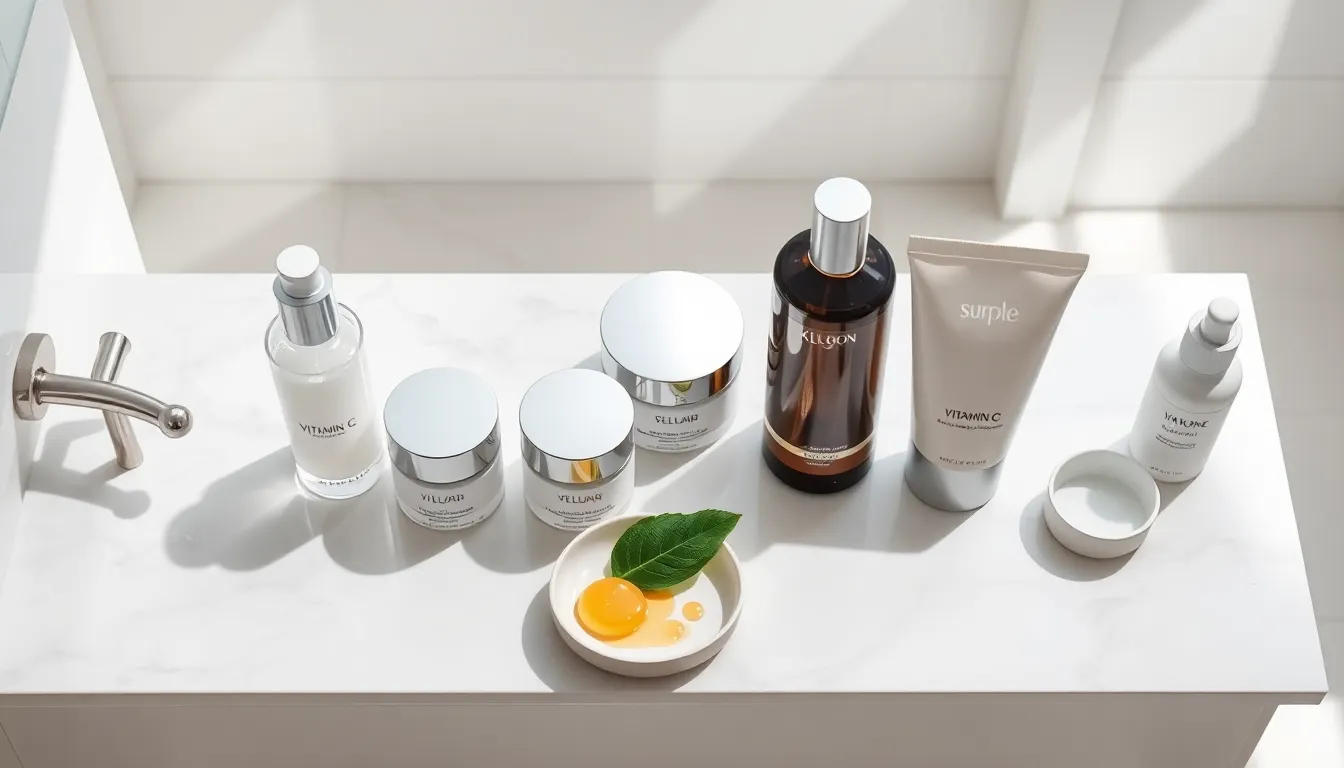
Skincare routines trends 2026 are shifting toward smarter, simpler, and more sustainable practices. Consumers now demand products that deliver real results without excess steps or harmful ingredients. The beauty industry is responding with innovations that prioritize skin health, personalization, and environmental responsibility.
This year marks a turning point. People are moving away from complicated 10-step regimens. They want routines that fit their lives and actually work for their specific skin concerns. From barrier-focused formulas to AI-powered recommendations, the skincare landscape looks different than it did even two years ago.
Here’s what’s shaping how people care for their skin in 2026.
Table of Contents
ToggleKey Takeaways
- Skincare routines trends 2026 prioritize skin barrier health, with ceramides, prebiotics, and postbiotics replacing harsh actives in daily regimens.
- AI-powered skin analysis and personalized formulations are transforming how consumers choose products based on their unique skin needs.
- Sustainability drives purchasing decisions, with refillable packaging, ethical sourcing, and waterless products becoming industry standards.
- Minimalist routines of 3–5 steps now replace complex regimens, focusing on multi-functional products that deliver maximum results.
- Morning routines emphasize protection with antioxidants and SPF, while evening routines focus on repair with actives and hydration.
- Quality over quantity defines skincare routines trends 2026, as consumers invest in fewer, more effective products rather than accumulating many.
Skin Barrier Health Takes Center Stage
The skin barrier has become the star of skincare routines trends 2026. Dermatologists and consumers alike recognize that a healthy barrier prevents most common skin issues. Dryness, sensitivity, acne, and premature aging often trace back to barrier damage.
Brands are reformulating products to support barrier function. Ceramides, fatty acids, and cholesterol appear in more serums, moisturizers, and cleansers than ever before. These ingredients mimic the skin’s natural lipid structure and help repair damage from environmental stressors.
The shift also means fewer harsh actives in daily routines. Retinol and chemical exfoliants remain popular, but people use them more strategically. Over-exfoliation is out. Gentle, consistent care is in.
Prebiotics and postbiotics have gained serious traction too. These ingredients feed beneficial bacteria on the skin’s surface. A balanced microbiome strengthens the barrier and reduces inflammation. Products featuring these compounds grew by 40% in sales during 2025, and that momentum continues.
Consumers now check ingredient lists for barrier-supporting components before purchasing. Education around skin barrier health has spread through social media, making it a mainstream concern rather than a niche topic.
The Rise of Personalized Skincare Technology
Personalized skincare technology defines many skincare routines trends 2026. Generic products no longer satisfy informed consumers. People want formulas that address their unique skin type, concerns, and even genetic factors.
AI-powered skin analysis tools have improved dramatically. Users can scan their faces with smartphone apps to receive detailed assessments. These tools identify hydration levels, pore size, pigmentation, and fine lines with surprising accuracy. The data then generates product recommendations or custom formulations.
Several brands now offer made-to-order serums and moisturizers. Customers complete questionnaires about their lifestyle, environment, and goals. Algorithms process this information and create products shipped directly to their doors. Subscription models keep the formulas updated as skin changes with seasons or age.
At-home diagnostic devices have also entered the market. These gadgets measure sebum production, moisture content, and UV damage over time. Users track their skin’s progress and adjust their routines accordingly.
The technology isn’t perfect yet. Some personalized products carry premium prices that limit accessibility. But, competition is driving costs down. More affordable options should reach mainstream consumers throughout 2026.
This trend represents a fundamental change in how people approach skincare. Instead of trial and error, they use data to make informed choices.
Sustainability and Clean Beauty Evolution
Sustainability continues to shape skincare routines trends 2026. Consumers demand eco-friendly packaging, ethical sourcing, and transparent supply chains. Greenwashing no longer fools savvy shoppers.
Refillable containers have moved from novelty to expectation. Major brands offer refill stations in stores or sell replacement pods for popular products. This approach reduces plastic waste significantly. Some companies report 60% less packaging material through refill programs.
Ingredient sourcing faces increased scrutiny. Shoppers want to know where botanicals come from and whether workers receive fair wages. Certifications like Fair Trade and Rainforest Alliance carry more weight in purchasing decisions.
Clean beauty has matured beyond marketing buzzwords. The movement now focuses on ingredient safety backed by scientific evidence. Consumers reject both unnecessary synthetic chemicals and ineffective “natural” alternatives. They want products that work and don’t cause harm.
Biotechnology offers promising solutions. Lab-grown ingredients replicate plant compounds without agricultural impact. Fermented actives deliver potent benefits with minimal environmental footprint. These innovations allow brands to create effective formulas while reducing resource consumption.
Water scarcity concerns have sparked interest in waterless products too. Concentrated serums, solid cleansers, and powder formulas eliminate water from formulations. They last longer, cost less to ship, and reduce overall environmental impact.
Minimalist Routines and Multi-Functional Products
Minimalism dominates skincare routines trends 2026. The pandemic-era obsession with elaborate regimens has faded. People want fewer steps that deliver maximum results.
Multi-functional products answer this demand perfectly. A single serum might combine vitamin C, niacinamide, and hyaluronic acid. One moisturizer could offer SPF protection, antioxidants, and peptides. These hybrid formulas save time and money.
The “skinimalism” movement encourages people to identify their core concerns and address them with targeted products. Three to five steps now constitute a complete routine for most people. Cleanse, treat, moisturize, and protect, that’s the new standard.
This approach benefits skin health too. Fewer products mean fewer potential irritants. Simplified routines reduce the risk of ingredient interactions and barrier disruption.
Morning and evening routines have diverged more clearly. Mornings focus on protection, antioxidants and sunscreen. Evenings emphasize repair, actives and hydration. This division makes routine building straightforward.
Budget-conscious consumers appreciate minimalism especially. Instead of buying ten mediocre products, they invest in three excellent ones. Quality over quantity has become the guiding principle.
Skincare routines trends 2026 reflect a broader cultural shift toward intentionality. People question what they actually need rather than accumulating products out of habit or hype.