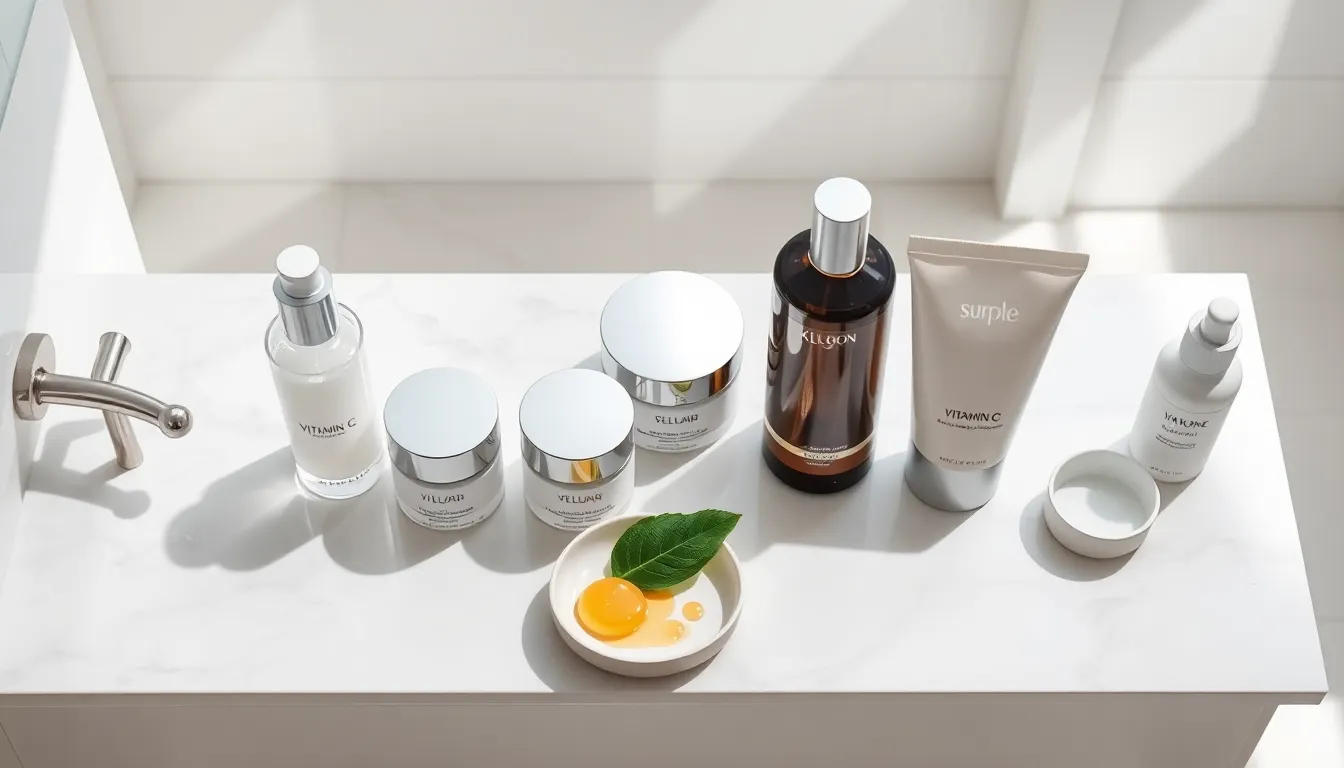
Skincare routines shape how skin looks and feels over time. The debate between morning vs. night skincare routines sparks plenty of questions. Should they be identical? Does timing really matter? The answer is yes, and understanding why can transform results.
Morning and nighttime skincare serve different purposes. Morning routines protect skin from environmental damage. Night routines focus on repair and recovery. Both matter, but they require different products and approaches.
This guide breaks down the key differences between AM and PM skincare routines. It covers what each routine should include, how to choose between minimalist and multi-step approaches, and how to match a routine to specific skin types. Whether someone is building their first skincare routine or refining an existing one, this information helps create a system that actually works.
Table of Contents
ToggleKey Takeaways
- Morning skincare routines focus on protection with sunscreen and antioxidants, while nighttime routines prioritize repair with active ingredients like retinol and AHAs.
- Sunscreen (SPF 30+) is non-negotiable in every morning routine, and vitamin C boosts its effectiveness while brightening skin.
- Double cleansing at night effectively removes sunscreen, makeup, and daily buildup without over-stripping the skin.
- Minimalist skincare routines (3–5 products) work best for sensitive skin and busy lifestyles, while multi-step routines target multiple concerns simultaneously.
- Match your skincare routine to your skin type—oily skin benefits from gel cleansers and salicylic acid, while dry skin needs cream cleansers and ceramide-rich moisturizers.
- Consistency matters more than complexity—a simple routine followed daily outperforms an elaborate one used sporadically.
Key Differences Between Morning and Nighttime Skincare
Morning and nighttime skincare routines address different skin needs. Understanding these differences helps people choose the right products for each time of day.
Morning Skincare Goals
Morning skincare routines focus on protection. During the day, skin faces UV rays, pollution, and free radicals. A good AM routine creates a barrier against these environmental stressors.
Sunscreen is the cornerstone of morning skincare. Dermatologists recommend SPF 30 or higher for daily use. Antioxidants like vitamin C pair well with sunscreen. They neutralize free radicals before they damage skin cells.
Morning routines also prep skin for makeup application. Lightweight products work best. Heavy creams can cause foundation to slide or pill.
Nighttime Skincare Goals
Nighttime skincare routines prioritize repair. Skin enters recovery mode during sleep. Cell turnover increases, and blood flow to the skin rises. This makes night the ideal time for active ingredients.
Retinoids, alpha hydroxy acids (AHAs), and peptides work best at night. These ingredients can increase sun sensitivity, so evening application reduces risk. Night also allows for heavier moisturizers and facial oils that might feel too greasy during the day.
Skin loses more moisture overnight than during the day. A solid PM routine seals in hydration and supports the skin’s natural repair process.
What Your Morning Routine Should Include
A morning skincare routine doesn’t need to be complicated. Four to five steps cover the essentials for most people.
Cleanser
Start with a gentle cleanser. Some people prefer to skip cleansing in the morning and just rinse with water. This works for dry or sensitive skin types. Oily skin benefits from a light foaming cleanser to remove overnight sebum buildup.
Toner or Essence (Optional)
Toners balance skin’s pH and add a layer of hydration. They’re helpful but not essential. People with oily or acne-prone skin often benefit from toners containing niacinamide or salicylic acid.
Vitamin C Serum
Vitamin C is a morning skincare powerhouse. It brightens skin, fades dark spots, and boosts sunscreen effectiveness. Apply it after cleansing and before moisturizer. A concentration between 10-20% works for most skin types.
Moisturizer
Even oily skin needs moisture. A lightweight, oil-free moisturizer hydrates without clogging pores. Dry skin types can use richer formulas. Look for ingredients like hyaluronic acid, glycerin, or ceramides.
Sunscreen
Sunscreen is non-negotiable. Apply it as the last step of every morning skincare routine. Use about a quarter teaspoon for the face. Reapply every two hours during extended sun exposure.
What Your Nighttime Routine Should Include
Nighttime skincare routines can include more active ingredients. Skin has time to absorb them without interference from makeup or sun exposure.
Double Cleanse
Double cleansing removes sunscreen, makeup, and daily grime effectively. Start with an oil-based cleanser or micellar water. Follow with a water-based cleanser. This two-step process ensures clean skin without over-stripping.
Exfoliant (2-3 Times Per Week)
Chemical exfoliants remove dead skin cells and promote cell turnover. AHAs like glycolic acid work well for dry skin. BHAs like salicylic acid suit oily and acne-prone skin. Don’t exfoliate every night, two to three times per week is enough for most people.
Treatment Serums
Night is the time for treatment serums. Retinol increases collagen production and speeds cell turnover. Start with a low concentration (0.25-0.5%) and build up tolerance. Niacinamide reduces pore appearance and evens skin tone. Peptides support skin structure and firmness.
Eye Cream (Optional)
The skin around eyes is thinner and more delicate. Eye creams target specific concerns like dark circles, puffiness, or fine lines. They’re not essential for everyone, but people in their 30s and beyond often see benefits.
Night Moisturizer or Sleeping Mask
Nighttime moisturizers can be heavier than morning formulas. Sleeping masks provide intense hydration overnight. Ingredients like shea butter, squalane, and ceramides lock in moisture while skin repairs itself.
Minimalist vs. Multi-Step Routines: Which Is Better
The skincare industry promotes both minimalist and multi-step routines. Each approach has merit. The best choice depends on individual goals, skin concerns, and lifestyle.
The Case for Minimalist Skincare Routines
Minimalist skincare routines use three to five products. They’re easier to maintain consistently. Fewer products mean less chance of irritation or negative interactions between ingredients.
A basic minimalist routine includes cleanser, moisturizer, and sunscreen. Adding one treatment product (like vitamin C or retinol) addresses specific concerns without overwhelming skin.
Minimalist routines work well for people with sensitive skin. They also suit those who won’t realistically commit to ten steps every night. Consistency beats complexity. A simple routine followed daily outperforms an elaborate one used sporadically.
The Case for Multi-Step Routines
Multi-step skincare routines (often seven to ten products) allow for targeted treatment of multiple concerns. Someone dealing with acne, hyperpigmentation, and early aging might benefit from layering different active ingredients.
Korean skincare popularized the multi-step approach. The extended routine turns skincare into a self-care ritual. Some people genuinely enjoy the process.
Multi-step routines require more time and investment. They also demand more knowledge about ingredient interactions. Using too many active ingredients at once can damage skin’s barrier.
Finding the Middle Ground
Most people land somewhere between these extremes. A moderate routine of five to seven products provides flexibility without becoming burdensome. The key is choosing products that serve clear purposes, no redundant steps.
How to Choose the Right Routine for Your Skin Type
Skincare routines should match individual skin types. What works for oily skin may not suit dry skin. Understanding skin type helps people select appropriate products.
Oily Skin
Oily skin produces excess sebum. Morning routines should include a gel or foaming cleanser and oil-free moisturizer. Niacinamide helps control oil production. At night, salicylic acid keeps pores clear. Avoid heavy creams and occlusives that can clog pores.
Dry Skin
Dry skin lacks natural oils and moisture. Cream cleansers prevent stripping. Hyaluronic acid serums add hydration. Rich moisturizers with ceramides and fatty acids strengthen the skin barrier. Overnight masks provide extra nourishment.
Combination Skin
Combination skin has both oily and dry areas. A balanced approach works best. Use lightweight products on oily zones (typically the T-zone) and richer products on dry areas. Gel-cream moisturizers offer hydration without heaviness.
Sensitive Skin
Sensitive skin reacts easily to products and environmental factors. Keep skincare routines simple. Avoid fragrance, alcohol, and harsh actives. Introduce new products one at a time. Centella asiatica and aloe vera soothe irritation.
Acne-Prone Skin
Acne-prone skin benefits from non-comedogenic products. Salicylic acid and benzoyl peroxide fight breakouts. Retinol helps with both acne and post-inflammatory marks. Always moisturize, over-drying skin can trigger more oil production.