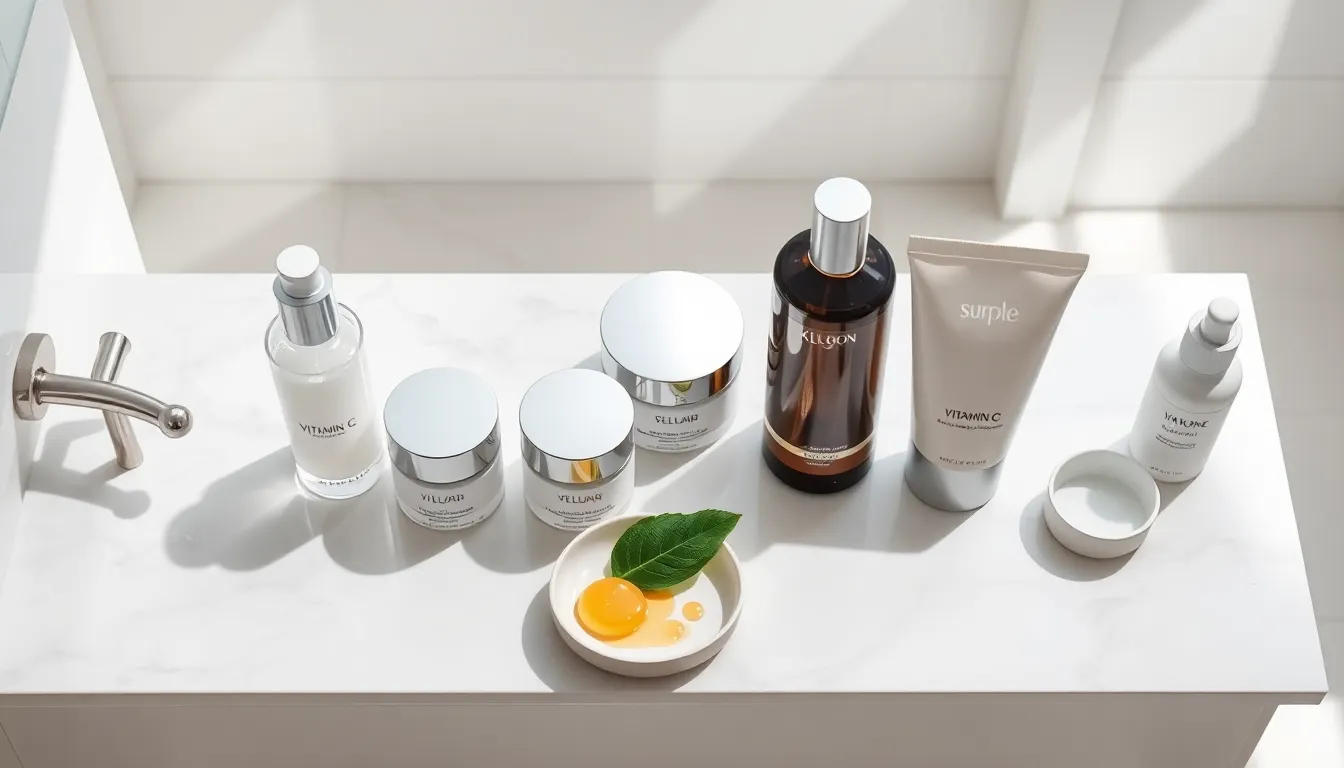
Top skincare routines start with understanding what your skin actually needs. Many people spend hundreds on products that don’t work for them, simply because they skipped this step. The truth? Great skin isn’t about owning the most expensive serums. It’s about consistency, the right order of application, and products matched to your skin type.
This guide breaks down exactly how to build morning and nighttime skincare routines that deliver real results. Whether someone struggles with dryness, oiliness, or just wants that healthy glow, these steps provide a clear path forward.
Table of Contents
ToggleKey Takeaways
- Top skincare routines start with identifying your skin type—normal, oily, dry, combination, or sensitive—to choose products that actually work.
- Morning routines should follow five steps: cleanser, toner, serum, moisturizer, and sunscreen (SPF 30+) to protect against UV damage.
- Nighttime routines focus on repair with double cleansing, exfoliation 2-3 times weekly, and treatment products like retinoids.
- Never mix certain active ingredients in the same routine—use vitamin C in the morning and retinol at night for best results.
- Consistency matters more than expensive products; expect 4-6 weeks for visible changes and 3-6 months for significant improvement.
- Start simple with cleanser, moisturizer, and sunscreen, then add one new product at a time to build sustainable top skincare routines.
Understanding Your Skin Type
Every effective skincare routine begins with one question: What’s your skin type? This determines which products work and which ones waste money.
Skin types fall into five main categories:
- Normal skin maintains balance without excessive oiliness or dryness
- Oily skin produces excess sebum, often leading to shine and enlarged pores
- Dry skin feels tight, may flake, and lacks natural moisture
- Combination skin shows oiliness in the T-zone (forehead, nose, chin) with dryness elsewhere
- Sensitive skin reacts easily to products with redness, irritation, or breakouts
To identify your type, wash your face with a gentle cleanser and wait one hour without applying anything. Check how your skin feels and looks. Does it feel tight? That’s dry skin. Shiny all over? Likely oily. Shiny in some spots but dry in others? Combination skin.
Top skincare routines adapt to these differences. Someone with oily skin needs lightweight, oil-free moisturizers. Dry skin types benefit from richer creams with hyaluronic acid. Sensitive skin requires fragrance-free formulas with minimal ingredients.
Skipping this assessment leads to frustration. A person might blame products for breakouts when the real problem is using formulas wrong for their skin type.
The Essential Morning Skincare Routine
Morning skincare routines protect the skin from daily environmental damage. The goal is simple: cleanse, treat, moisturize, and protect.
Step 1: Cleanser
Start with a gentle cleanser to remove overnight oil and product residue. Harsh cleansers strip natural oils, which triggers more oil production. Gel cleansers work well for oily skin. Cream-based cleansers suit dry and sensitive types.
Step 2: Toner (Optional)
Toners prep the skin to absorb other products better. They also restore the skin’s pH after cleansing. Look for hydrating ingredients like glycerin or niacinamide. Avoid alcohol-based toners, they dry out the skin.
Step 3: Serum
Serums deliver concentrated active ingredients. For morning use, vitamin C serums brighten skin and fight free radical damage. Apply a few drops to clean skin before moisturizer.
Step 4: Moisturizer
Even oily skin needs moisturizer. It locks in hydration and creates a barrier. Lightweight gel moisturizers work for oily types. Thicker creams benefit dry skin.
Step 5: Sunscreen
This step is non-negotiable. UV damage causes 90% of visible skin aging. Use a broad-spectrum SPF 30 or higher every single day, even on cloudy days, even when staying indoors near windows.
Top skincare routines always include sunscreen as the final morning step. It sits on top of other products and shields everything underneath.
Building an Effective Nighttime Routine
Nighttime skincare routines focus on repair and renewal. The skin regenerates faster during sleep, making this the best time for treatment products.
Step 1: Makeup Remover or Cleansing Oil
Double cleansing removes sunscreen, makeup, and daily grime. An oil-based cleanser dissolves these better than water-based formulas alone. Massage it onto dry skin, then rinse.
Step 2: Water-Based Cleanser
Follow with a regular cleanser to remove any remaining residue. This two-step process ensures truly clean skin without over-stripping.
Step 3: Exfoliant (2-3 Times Weekly)
Exfoliation removes dead skin cells and unclogs pores. Chemical exfoliants like AHAs (glycolic acid, lactic acid) and BHAs (salicylic acid) work more gently than physical scrubs. Start with lower concentrations and increase gradually.
Don’t exfoliate every night. Over-exfoliation damages the skin barrier and causes irritation.
Step 4: Treatment Products
Nighttime is ideal for retinoids. These vitamin A derivatives boost collagen production and speed cell turnover. They reduce fine lines, improve texture, and help with acne. Start with retinol twice weekly, then build up tolerance.
Other treatment options include niacinamide for pores, azelaic acid for redness, or hyaluronic acid for hydration.
Step 5: Night Cream or Moisturizer
Night creams tend to be richer than daytime versions. They support the skin’s repair process. For extra hydration, apply a thin layer of facial oil on top.
Top skincare routines separate active ingredients that don’t mix well. For example, don’t use vitamin C and retinol in the same routine, use vitamin C in the morning and retinol at night.
Tips for Maintaining Consistency
The best skincare routine means nothing without consistency. Results take time, usually 4-6 weeks minimum to see changes, and 3-6 months for significant improvement.
Here’s how to stick with it:
Keep products visible. Store them where you’ll see them daily. Out of sight really does mean out of mind.
Start simple. A 10-step routine overwhelms most people. Begin with cleanser, moisturizer, and sunscreen. Add products one at a time.
Set reminders. Phone alarms help build the habit. After a few weeks, the routine becomes automatic.
Track progress. Take photos in the same lighting every few weeks. Gradual changes are hard to notice day-to-day, but photos reveal real progress.
Don’t switch products constantly. Give each product at least a month before deciding it doesn’t work. Frequent switching prevents any product from showing results.
Patch test new products. Apply a small amount behind the ear or on the inner arm for 24-48 hours before using on the face.
Top skincare routines adapt over time. Skin changes with seasons, age, hormones, and stress. What works perfectly in summer might need adjustment in winter. Pay attention and adjust as needed.